Get Strong and Toned Legs: The Ultimate Guide to Effective Leg Workouts
Victoria Millius
3/21/20255 min read
Understanding the Anatomy of Your Legs
The legs are primarily comprised of several key muscle groups that play crucial roles in daily activities and athletic performance. Among these, the glutes, quadriceps (quads), and hamstrings are particularly significant in ensuring strength and mobility. Understanding these muscle groups is essential for anyone seeking to optimize their leg workouts and achieve better results.
The gluteal muscles, which consist of the gluteus maximus, medius, and minimus, are pivotal for hip extension, stabilization, and overall pelvic control. These muscles not only contribute to movements such as walking and running but also are vital for power generation during activities like jumping and squatting. Moreover, strong glutes can help mitigate the risk of injuries by supporting the lower back and knee joints during physical exertion.
The quadriceps, located at the front of the thigh, are composed of four muscles that work collectively to extend the knee. This muscle group is essential for activities that involve running, cycling, and jumping, and it plays a significant role in maintaining proper posture and balance. Strengthening the quads can enhance performance in various sports and improve overall leg function, which is critical for both athletes and casual fitness enthusiasts alike.
In contrast, the hamstrings, located at the back of the thigh, are responsible for knee flexion and hip extension. These muscles are crucial for braking actions when running and are integral in preventing injuries associated with rapid acceleration and deceleration. Despite their importance, hamstrings are often overlooked in leg training routines, leading to imbalances that can affect overall leg strength and stability.
By understanding the role of these key muscle groups—glutes, quads, and hamstrings—individuals can better target their workouts, ensuring a more balanced and effective training regimen. Misconceptions about leg workouts often lead to neglecting certain muscles, underscoring the necessity of a comprehensive approach to leg development that includes exercises for all major muscle groups.
Top Exercises for Building Strong Legs
Building strong legs is crucial for overall fitness, and it requires focusing on key muscle groups such as the glutes, quadriceps, and hamstrings. To achieve optimal strength and toning, incorporating a variety of exercises is essential. Below, we explore some of the most effective exercises that cater to different fitness levels and can be performed either in the gym or at home.
One of the foundational exercises for leg strength is the squat. Squats primarily target the quadriceps while also engaging the hamstrings and glutes. Maintaining proper form is crucial; keep your feet shoulder-width apart, lower your body by bending your knees while keeping your back straight, and push through your heels to return to the starting position. Variations such as sumo squats or single-leg squats can increase intensity and engage different muscle fibers.
Another great exercise is the deadlift, known for its effectiveness in building not just leg strength but overall body stability. By focusing on the hamstrings and glutes, deadlifts promote muscle growth. To perform a deadlift, maintain a neutral spine, hinge at the hips, and lift the barbell or dumbbells from the ground. Beginners may want to start with lighter weights or kettlebell variations to master the technique.
Lunges are an excellent at-home option that targets multiple muscles in the legs while also improving balance. It’s important to step forward with one leg and lower the knee of the back leg toward the ground while keeping the front knee in line with the ankle. Variations like reverse lunges and lateral lunges can be introduced to diversify the workout.
Finally, the glute bridge is an effective exercise specifically for the glute muscles. Lying on your back with your knees bent and feet flat on the ground, raise your hips towards the ceiling, squeezing your glutes at the top. To increase difficulty, you can try single-leg variations or add weights.
Incorporating these exercises into your routine will greatly assist in building and toning your legs, making for a comprehensive leg workout program suitable for various fitness levels.
Structuring Your Leg Days for Maximum Results
To achieve strong and toned legs, structuring your leg days is paramount. A well-planned workout not only maximizes gains but also aids in injury prevention and recovery. An ideal leg day routine begins with a proper warm-up to prepare your muscles and joints for the upcoming exertion. Engaging in dynamic stretches or low-intensity activities for about 10 to 15 minutes enhances blood flow and activates the muscles, reducing the risk of strains.
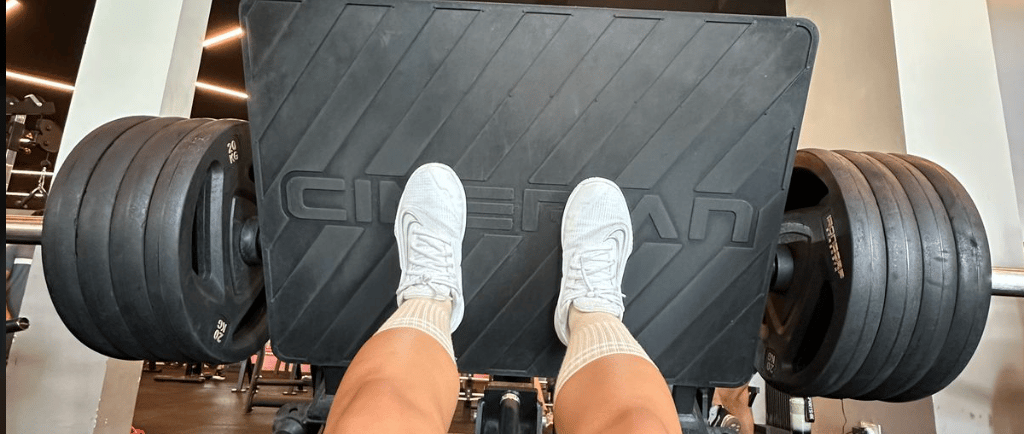
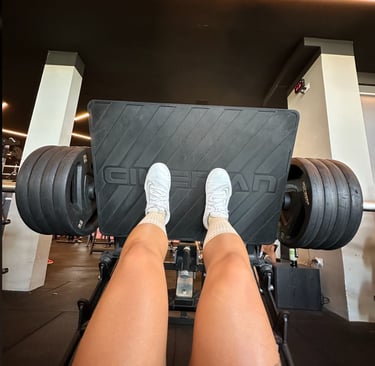
When it comes to the actual workout, the number of sets and repetitions can vary based on your specific fitness goals. For those targeting strength-building, a lower rep range of 4 to 6 with heavier weights is beneficial. Conversely, if your aim is to improve muscular endurance, a higher rep range of 12 to 15 with moderate weights is recommended. Incorporating exercises like squats, lunges, and leg presses will ensure a comprehensive focus on all major muscle groups of the legs.
Another crucial element is the integration of rest days into your workout regimen. Legs require adequate recovery to rebuild and strengthen. Typically, allowing 48 hours between leg workouts is advisable, though individual recovery needs may vary. Pay attention to how your body responds to the intensity of your workouts; listen to cues like fatigue or soreness, and adjust your workout routine as necessary. Implementing rest days or cross-training activities can yield significant improvements in your overall leg performance.
In summary, structuring your leg days thoughtfully—starting with a warm-up, determining the appropriate sets and reps, and implementing rest—is essential for optimal results. By tailoring your leg workouts to your fitness level and listening to your body's needs, you can progress toward achieving strong and toned legs effectively.
Choosing the Right Workouts Based on Your Goals
When embarking on a journey to achieve stronger and toned legs, it is vital to first pinpoint specific fitness goals. Common leg training objectives include building muscle, losing weight, and enhancing athletic performance. Each of these goals requires a tailored approach to workouts to ensure optimal results and progress. For instance, individuals aiming to build muscle should focus on resistance training exercises such as squats, deadlifts, and lunges. These compound movements stimulate multiple muscle groups, fostering hypertrophy and strength development.
On the other hand, those looking to lose weight should incorporate both strength training and cardiovascular workouts into their routines. High-Intensity Interval Training (HIIT) and circuit workouts can be particularly effective, as they combine strength exercises with aerobic activities. This not only maximizes calorie burn during the workout but also promotes an increased metabolic rate post-exercise. Additionally, attention must be given to the diet, as nutrition plays a crucial role in achieving weight loss and muscle gain.
Another common goal involves enhancing athletic performance. Athletes should engage in sport-specific drills and plyometric exercises which improve agility, speed, and endurance, effectively preparing the legs for the demands of their chosen sport. Such workouts may include exercises like box jumps, agility ladder drills, and sled pushes. Regardless of the objective, progress tracking is essential. Documenting workouts, noting improvements in weight lifted, repetitions, or duration can help maintain motivation and identify areas needing adjustment. Regularly reassessing personal goals ensures that workout routines remain aligned with evolving ambitions.
In conclusion, setting clear fitness objectives is crucial in selecting the right leg workouts. By understanding individual goals, one can effectively choose exercises that align with these aims, monitor progress, and adjust routines as necessary to achieve stronger, more toned legs.
Connect
Join our community for updates
Questions?
Blog
© 2025. All rights reserved.